
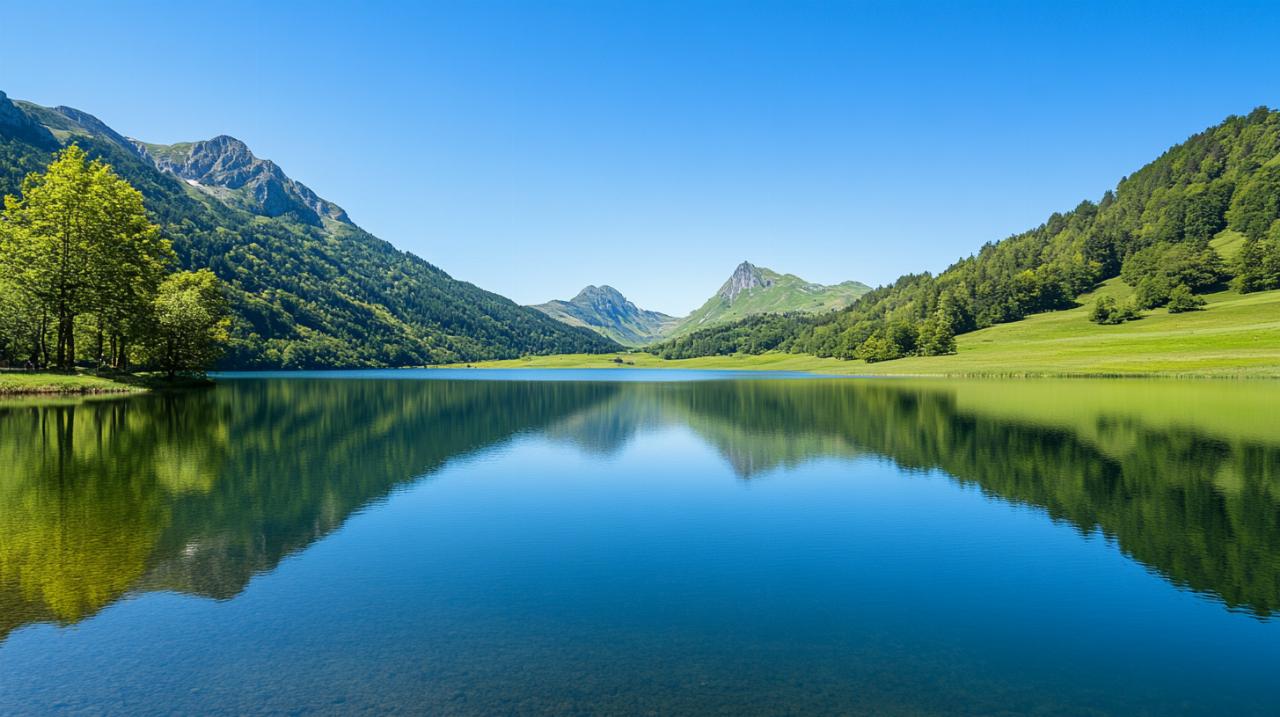
Nestled high in the embrace of the Catalan Pyrenees, a shimmering expanse of water awaits those willing to venture into the heart of the mountains. This remarkable destination, positioned precisely at latitude 42.5715623 and longitude 1.9991648000000168, stands as a testament to the raw and untamed beauty of the Pyrenees-Orientales region. The lake has long captured the imagination of travellers and nature enthusiasts, offering not only a refuge from the everyday world but also a gateway to the myths and legends that have been woven into the very fabric of this stunning landscape. Its unique geographical setting and the rich tapestry of stories that surround it make it a place of both natural wonder and cultural significance.
Pinpointing Paradise: The Geographical Jewel of the Catalan Pyrenees
GPS Coordinates and Precise Location: Finding Bouillouses Lake at the Heart of the Oriental Pyrenees
Lake Bouillouses occupies a remarkable position within the French Pyrenees, situated at an elevation that places it among the highest lakes accessible by road and chairlift in the region. The precise coordinates of latitude 42.5715623 and longitude 1.9991648000000168 guide modern explorers to this mountain paradise, a site that has been revered for centuries. At approximately 2,016 metres above sea level, this body of water commands a presence that is both commanding and serene, offering visitors a unique vantage point from which to appreciate the grandeur of the surrounding peaks. The lake's position within the Pyrenees-Orientales department places it firmly within the cultural and geographical boundaries of Occitania, a region steeped in tradition and natural splendour. The journey to reach this elevated sanctuary is part of its allure, as the ascent through the mountain landscape reveals layer upon layer of breathtaking vistas. The coordinates serve not merely as a navigational tool but as a marker of a destination that has become synonymous with the rugged beauty and ecological richness of the Catalan Pyrenees.
Natural Park Wonders: Bouillouses Within the Regional Landscape from Mont-Louis to Romeu
The area surrounding Lake Bouillouses has been designated as a protected natural site since 1976, a recognition of its ecological importance and the need to preserve its delicate habitats for future generations. Covering an expansive area of around 149 hectares, the lake and its environs are part of a Natura 2000 classified site, underscoring the commitment to strict habitat conservation. The lake itself was formed by a dam constructed between 1903 and 1910, which was later raised to enhance its capacity. This human intervention, far from detracting from the natural beauty, has created a harmonious blend of engineering and nature that supports a diverse array of life. The proximity to Font Romeu and Mont-Louis places the lake within a network of towns and villages that have long served as gateways to the mountains. The regional landscape, stretching from the fortified town of Mont-Louis to the ski resort of Font Romeu and beyond towards Romeu, offers a tapestry of natural and cultural landmarks. The Pic Carlit, towering at 2,921 metres, dominates the skyline and serves as a beacon for experienced hikers seeking the ultimate challenge. The River Têt rises at 2,400 metres altitude at Pic Carlit, feeding the lake before beginning its long journey to the Mediterranean Sea through Perpignan. This hydrological connection links the high mountains with the distant coast, creating a sense of continuity that underscores the interconnectedness of the regional landscape.
Breathtaking Landscapes and Rich Biodiversity: Nature's Masterpiece at Altitude
Diverse Flora and Fauna: Discovering the Ecological Richness Around the Water
The ecological richness of the Lake Bouillouses area is a direct result of its altitude, geographical position, and the careful conservation efforts that have been implemented over the decades. The protected status of the site ensures that the diverse flora and fauna can thrive in an environment that remains largely unspoiled by modern development. Visitors to the area often encounter horses and cows along the trails, a reminder of the traditional pastoral practices that have shaped the landscape for centuries. These domestic animals share the space with a wide array of wild species, each adapted to the harsh conditions of life at such high elevations. The flora is equally varied, with alpine meadows giving way to rocky outcrops and sparse vegetation as one ascends towards the higher peaks. The interplay between water and land creates a mosaic of habitats, each supporting its own unique community of plants and animals. The strict habitat conservation measures ensure that this delicate balance is maintained, allowing the natural processes to continue uninterrupted. The lake and its surrounding wetlands serve as vital breeding grounds for amphibians and provide essential water sources for birds and mammals. The presence of multiple smaller ponds and lakes in the vicinity, such as the Esquits ponds and the Carlit ponds, further enhances the biodiversity of the region. These bodies of water, scattered across the mountainous terrain, create a network of aquatic habitats that support a rich diversity of life. The Lac d'Aude, which serves as the source of the River Aude, is another notable feature of the hydrological landscape, linking the high mountains with the wider drainage systems of the region.
Beacons of Natural Beauty: The Trails and Hiking Routes Through Odeillo and Cabanasse
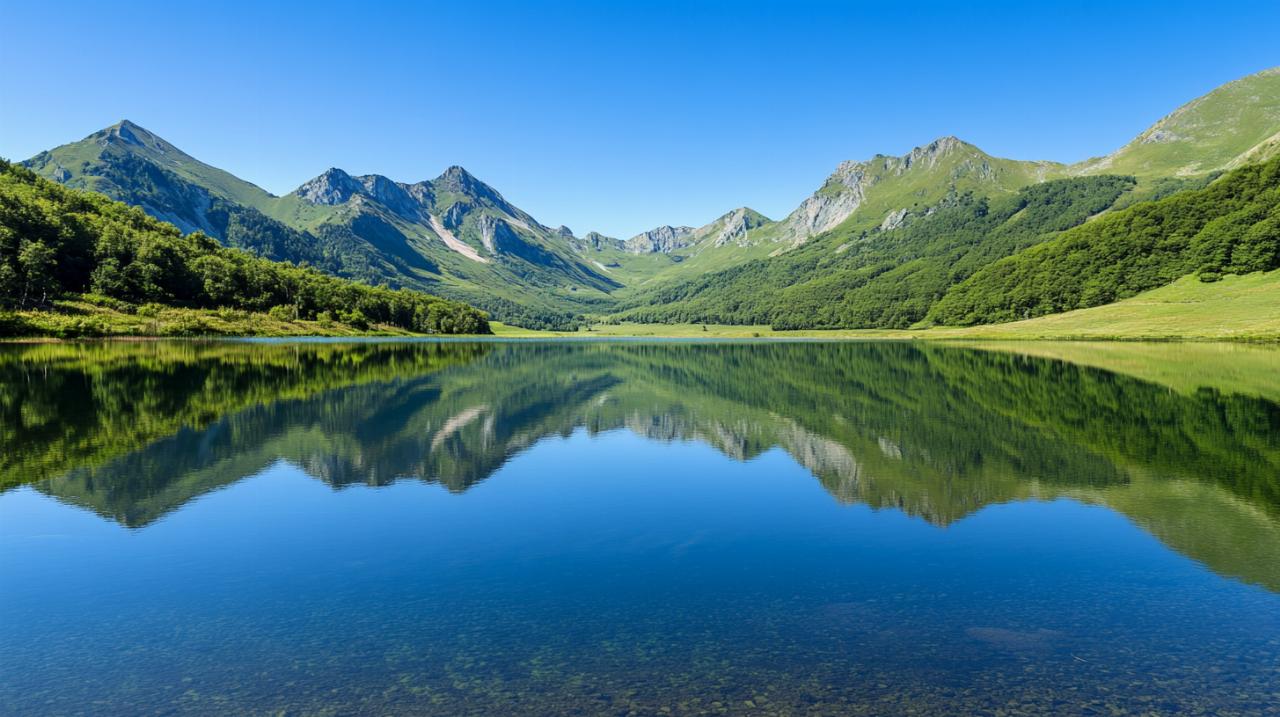
The landscape around Lake Bouillouses is crisscrossed by a network of trails that offer visitors the opportunity to explore the natural beauty of the Catalan Pyrenees on foot. These paths, carefully maintained and signposted, range from gentle loops suitable for families to more challenging routes that test the stamina and skill of experienced walkers. The trails wind through diverse terrain, passing through alpine meadows, rocky slopes, and along the shores of numerous smaller lakes and ponds. Each route offers its own unique perspective on the landscape, revealing hidden corners and unexpected vistas that reward those who venture beyond the main attractions. The proximity of villages such as Odeillo and Cabanasse provides additional access points to the trail network, allowing visitors to explore the region from multiple starting points. The Pla de Barrès serves as a key hub for shuttle bus services during the summer months, facilitating access for those who prefer not to drive or walk the entire distance. The trails themselves are part of a broader tradition of mountain walking that has deep roots in the Catalan culture, with generations of shepherds, traders, and travellers having followed similar paths through the mountains. The modern hiker benefits from this accumulated knowledge, as the trails have been refined and improved over time to offer the best possible experience while minimising the impact on the fragile mountain environment. The natural beauty of the landscape is further enhanced by the ever-changing play of light and shadow across the peaks, the crystal-clear waters of the lakes reflecting the sky above, and the sense of solitude and peace that can be found in these remote and elevated places.
Exploration and Activities: Your Gateway to Catalan Mountain Discovery
Hiking Courses and Travel Opportunities: Trails Leading to Breathtaking Vistas
For those seeking to immerse themselves in the mountain environment, Lake Bouillouses offers a range of hiking courses that cater to all levels of experience and fitness. The Loop of the Pradella, a relatively short route taking around one hour and thirty minutes, provides an accessible introduction to the area, allowing visitors to familiarise themselves with the terrain and the unique atmosphere of the high mountains. Those with more time and energy can tackle the Esquits ponds route, which takes approximately one hour and fifty minutes, or the Loop of the Carlit ponds, a more ambitious undertaking that can be completed in either two hours and twenty minutes for a circuit of nine lakes or extended to three hours and thirty minutes to visit twelve lakes. The Aude lake loop, taking around three hours and thirty-five minutes, offers a longer and more varied experience, showcasing the full range of landscapes and habitats that the region has to offer. Another popular option is the Paths of the Borde, a Loop of the Têt that takes around two hours and provides stunning views of the river valley and the surrounding peaks. A lower lakes loop, covering about six to seven kilometres with an elevation gain of 200 metres, is ideal for those seeking a moderate hike that can be completed in two to three hours. For the truly adventurous and experienced hiker, the ascent of Pic Carlit presents a formidable challenge, with its 2,921-metre summit offering unparalleled views across the Pyrenees. The walking guide, available from the Tourism Office in Font-Romeu for around five euros, provides detailed information on all of these routes and more, ensuring that visitors can plan their excursions with confidence. The hike around the main lake itself covers a distance of 10.5 kilometres, offering a comprehensive tour of the shoreline and the diverse habitats that fringe the water.
Regional myths and cultural place: the legendary stories woven through these landscapes
Beyond its natural beauty and recreational opportunities, Lake Bouillouses holds a special place in the cultural and mythological landscape of the Catalan Pyrenees. The high mountains have long been a source of fascination and inspiration, giving rise to a rich tradition of stories and legends that reflect the deep connection between the people of the region and the land they inhabit. These tales, passed down through generations, speak of ancient spirits that dwell in the lakes and forests, of shepherds who ventured into the mountains and encountered the supernatural, and of hidden treasures guarded by mountain creatures. The very name Bouillouses, evoking the bubbling and boiling of water, hints at the dynamic and sometimes mysterious forces that shape the landscape. The lake's formation by a dam between 1903 and 1910, while a product of modern engineering, has itself become part of the region's history, a testament to the ambition and ingenuity of those who sought to harness the power of the mountains for the benefit of the communities below. The River Têt, which rises at the Pic Carlit and flows through the lake before making its way to the Mediterranean, serves as a lifeline connecting the high peaks with the coastal plains, a symbol of the interconnectedness of the natural world. The Lac d'Aude, as the source of the River Aude, holds similar significance, representing the birthplace of one of the major rivers of the region. For many visitors, the experience of standing beside these waters, surrounded by the towering peaks and the vast expanse of sky, evokes a sense of awe and reverence that transcends the purely physical. The area's designation as a protected natural site and a Natura 2000 location reflects a recognition that these landscapes are not merely resources to be exploited but are places of profound value that deserve to be safeguarded for future generations. The presence of establishments such as the LES BONES HORES restaurant by the lake and the Auberge du Carlit in Les Angles provides visitors with the opportunity to rest and refresh themselves while contemplating the beauty and mystery of the mountains. During the summer months, access to the lake is carefully managed to preserve its fragile environment, with shuttle buses running regularly from Pla de Barrès to the Bouillouses Dam. These buses operate from early morning until late evening, with larger vehicles running until early afternoon and smaller buses taking over thereafter, ensuring that visitors can reach the lake without the need for private vehicles. The fares are structured to encourage family visits and to make the experience accessible to all, with children under five travelling for free and discounted rates available for young people and families. A seasonal pass option allows frequent visitors to explore the area repeatedly over the course of the summer, deepening their connection with the landscape and its stories. The chairlift from Font Romeu provides an alternative means of access, offering a scenic journey through the mountains and the convenience of being able to transport dogs, making it possible for entire families to share in the adventure. The area also supports activities beyond hiking, including mountain biking, horse riding, and fishing, each offering its own unique way to engage with the natural environment. The trails, whether followed on foot, by bike, or on horseback, lead through a landscape that has been shaped by both natural forces and human activity over countless generations, creating a palimpsest of history and culture that is written into the very contours of the land. The regional myths and legends, while often rooted in a pre-modern worldview, continue to resonate with contemporary visitors, offering a sense of continuity and connection to the past that enriches the experience of exploring these breathtaking landscapes.