

Cycling is one of life’s great pleasures, but the moment a gust of wind snatches your favourite hat clean off your head, the experience quickly loses its charm. Whether you are commuting through a blustery city or enjoying a weekend ride along an exposed country lane, keeping your headwear in place is both a practical and a stylistic challenge worth mastering. Fortunately, with the right choices and a handful of clever techniques, you can ride confidently whatever the weather throws at you.
Key points
- Choosing a hat with a snug, low-profile fit is the most effective way to prevent it from shifting or blowing off while cycling.
- Wearing hats straight and pulled down firmly over the ears significantly reduces the surface area exposed to oncoming wind.
- Materials with natural elasticity, such as wool or cashmere beanies, conform closely to the head and offer better security than rigid, wide-brimmed styles.
- Using hat-keeper elastics or internal hair pins provides a reliable mechanical anchor that prevents headwear from lifting during a ride.
- Applying adhesive foam or velvet-lined grip tape inside the crown increases friction and helps secure hats that are slightly too large.
- Wearing a thin headband underneath a hat provides a textured, non-slip foundation that anchors the headwear while protecting the scalp from cold air.
Choosing the right hats and secure accessories for windy weather
The very first step to wind-proofing your headwear begins long before you mount your bicycle. It starts with selecting the right hat altogether. Many cyclists make the mistake of reaching for a fashionable piece without considering how it will behave at speed. A hat that sits well whilst you are standing still can become a liability the moment you pick up pace into a headwind. Understanding the relationship between style and function is therefore essential for anyone who wants to look good and stay comfortable on a windy ride.
Selecting the proper size and style for a snug fit
Getting the correct size is arguably the most important factor in keeping a hat on in the wind. A hat that is even slightly too large will lift and shift at the slightest breeze, whilst one that fits snugly around the crown will naturally resist movement. When trying on headwear, always test the fit by gently shaking your head from side to side and nodding forward, if the hat wobbles noticeably, it is too loose. For cycling specifically, styles with a lower profile tend to perform better than tall or wide-brimmed options, as they present less surface area for the wind to catch. A close-fitting beanie, for instance, hugs the scalp and stays remarkably secure even at speed.
The angle at which you wear your hat also plays a significant role. Tilting a hat too far back exposes the brim to oncoming air and dramatically increases the risk of it flying off. Wearing your hat straight and pulled down firmly over the ears is a simple adjustment that can make a considerable difference, particularly for a woman or man who favours a classic look on the bike.
Opting for functional beanies, felt caps, and winter headwear
When the temperature drops and the wind picks up, certain materials and styles prove far more practical than others. A wool or cashmere beanie is a perennial favourite among cyclists for good reason: the natural elasticity of these fibres allows the hat to conform closely to the head, reducing any gap between the crown and the fabric. Felt caps, with their structured yet slightly flexible construction, also perform well in blustery conditions, as their weight and density help them resist uplift. For those who prefer a more casual aesthetic, a soft cotton or jersey knit cap pulled down over the ears offers a reliable combination of warmth and security.
It is worth noting that more fashion-forward choices (a straw hat in summer or a wide-brimmed cowboy-style hat) require considerably more effort to secure on a bicycle. These styles are not inherently unsuitable, but they do demand additional measures to stay in place during a ride.
Using clever fastenings to hold your hat firmly in place
Beyond the hat itself, a range of small but highly effective accessories can transform the way your headwear behaves in the wind. These solutions are used by cyclists, equestrians, and outdoor enthusiasts alike, and many of them are discreet enough to remain invisible once in place.
Securing headwear with elastics, bands, and internal hair pins
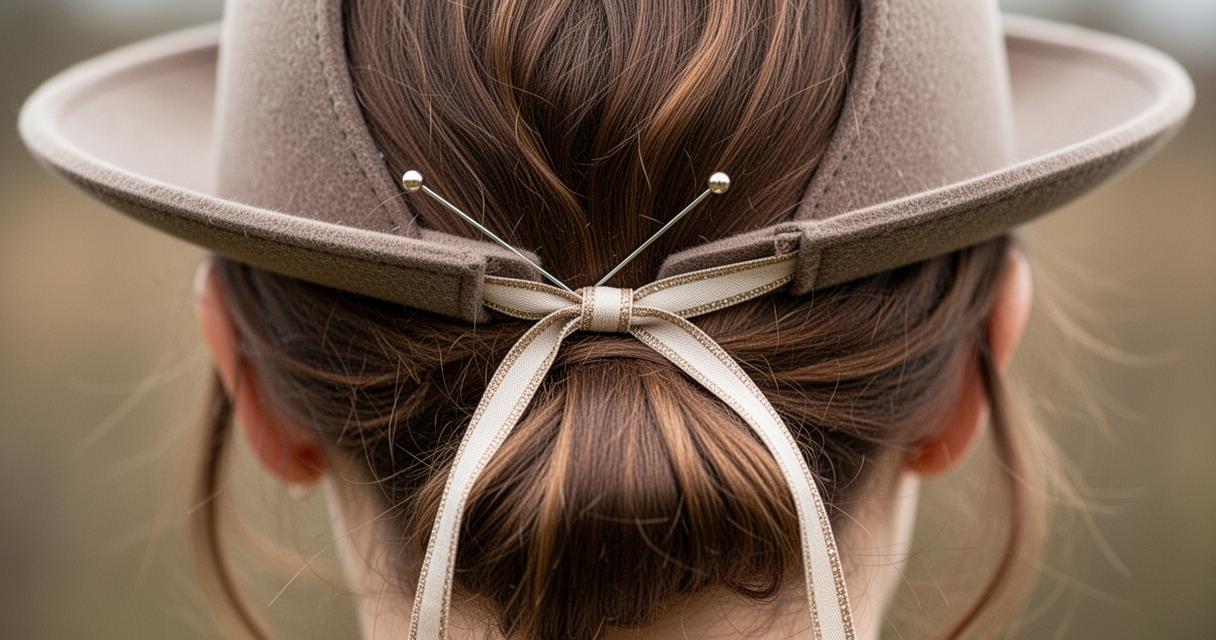
Elastics and bands designed specifically for hat retention are widely available and remarkably simple to use. The most common version is a thin cord or ribbon that attaches to either side of the hat’s brim and loops under the chin, commonly known as a hat keeper or millinery elastic. This method works particularly well for structured hats such as felt caps or summer straws, and it is a favourite technique among cyclists who refuse to compromise on fashion. For those with longer hair, pins (particularly grip pins or hair clips) can be threaded through the interior of the hat and anchored into a bun or braid, creating a surprisingly robust connection between the headwear and the wearer. Even a child can benefit from this approach, with a simple clip keeping a school cycling hat firmly positioned throughout a morning commute.
Placing a few well-positioned pins inside the crown is one of those deceptively simple tricks that makes an enormous difference. The pins catch the hair and prevent the hat from rotating or lifting, even when riding directly into a strong headwind. Combining this method with a well-fitted hat is one of the most reliable strategies available to any cyclist.

Creating an adherent surface inside the crown
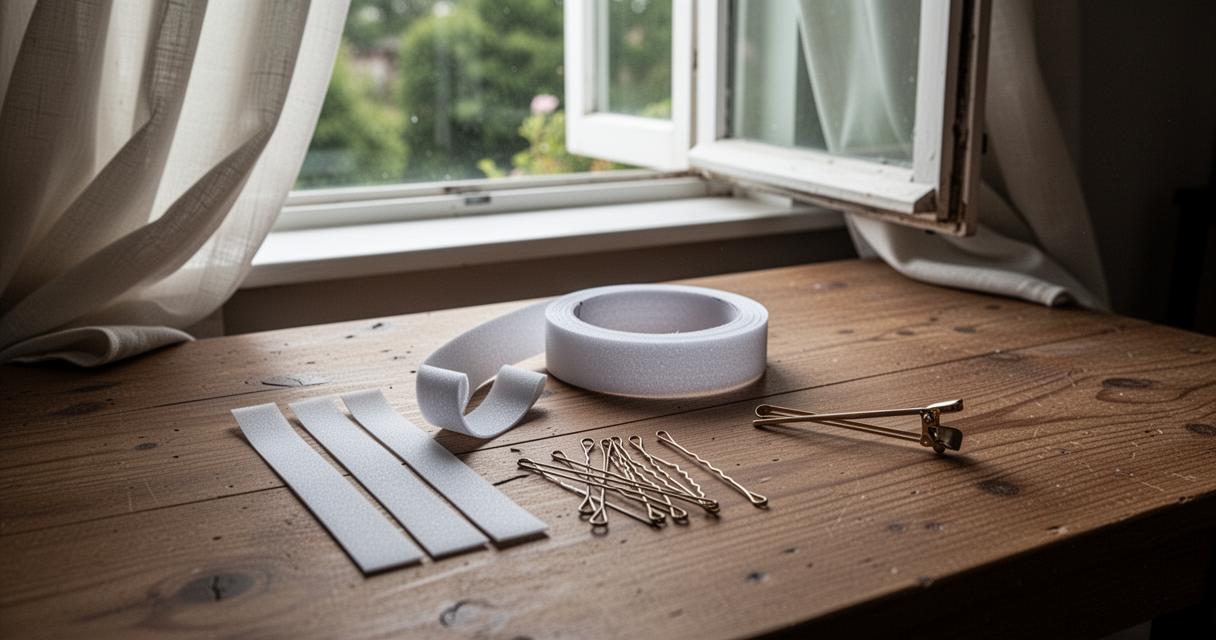
Another highly effective technique involves creating a more adherent surface inside the hat. Hat grip tape, also sold as hat size reducer tape, is a foam or velvet-lined adhesive strip that attaches to the interior band of the crown. Once in place, it increases friction between the hat and the head, reducing slippage dramatically. This approach is particularly useful for hats that are marginally too large, as the tape effectively reduces the internal circumference whilst simultaneously improving grip. Some cyclists choose to combine this method with a thin headband worn underneath the hat, which adds another layer of friction and helps anchor the entire ensemble.
Practical tips for maintaining your style on a blustery cycle
Keeping a hat on whilst cycling is not purely a technical exercise, it also requires a degree of practical awareness and adaptability. A few straightforward habits, developed over time, can make the whole experience far more enjoyable.
Wearing a headband to protect your scalp and anchor your hat
A headband worn beneath a hat serves a dual purpose: it protects the ears and scalp from cold air, and it provides a textured foundation that prevents the hat from sliding. Thin fleece or jersey headbands are ideal for this purpose, as they add minimal bulk whilst still offering meaningful grip. This technique is especially popular among sport cyclists who need reliable headwear during high-intensity rides where movement and sweat are both factors. A headband also helps manage hair during a ride, keeping loose strands away from the face and reducing the likelihood of the hat being pushed upward by flyaway locks.
For those who wear a dress or smart attire on a more leisurely urban cycle, the headband approach offers a particularly elegant solution, as it remains hidden beneath the hat yet quietly does the hard work of keeping everything in position throughout the journey.
Adapting leather and wool accessories for active sport use
Leather and wool accessories, from flat caps to structured riding hats, can be adapted for cycling use with a few thoughtful modifications. A thin leather sweatband fitted to the interior of a cap adds grip and also helps manage moisture during more demanding rides. Wool accessories such as neck warmers or ear-covering bands can be layered with a hat to create a more integrated and secure system. The key is to build a coherent set of layers that work together rather than fighting against one another. When each element of your headwear ensemble fits and functions in harmony, the result is both stylish and genuinely wind-resistant, proof that with a little thought, you never have to choose between looking good and riding confidently in windy weather.