
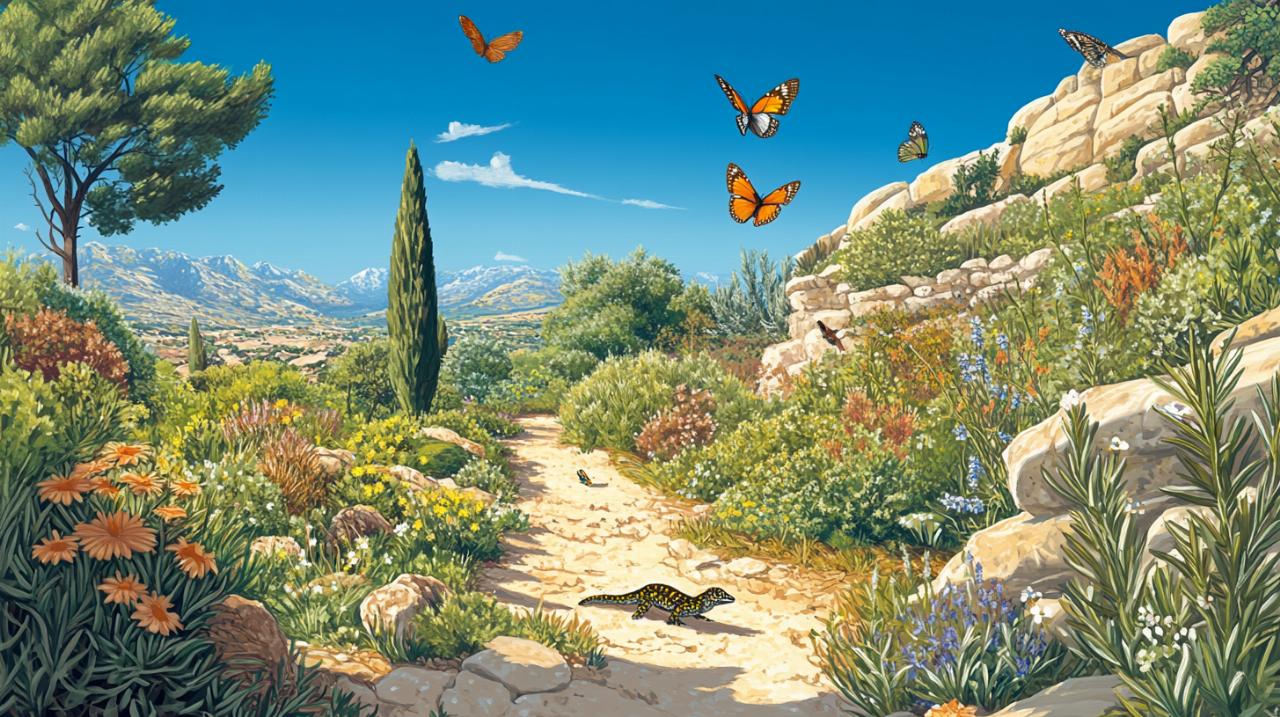
The Mediterranean region has long captivated naturalists and travellers alike with its spectacular tapestry of life, where azure coastlines meet rugged mountainsides and fragrant scrublands stretch beneath cloudless skies. This ancient crossroads of continents shelters an extraordinary array of living organisms that have evolved over millennia to thrive in a climate characterised by warm, dry summers and mild, wet winters. Understanding the intricate web of relationships between the diverse species that inhabit this sun-drenched realm offers a window into one of the most fascinating ecological zones on Earth, a landscape shaped as much by human hands as by natural forces.
The Remarkable Plant Life of the Mediterranean Basin
The botanical wealth of the Mediterranean basin stands as a testament to nature's creative power, with an estimated twenty-five thousand plant species calling this region home. What makes this assemblage particularly remarkable is that approximately sixty percent of these species are endemic, meaning they exist nowhere else on the planet. This extraordinary level of uniqueness places the Mediterranean amongst the world's most important biodiversity hotspots, ranking third globally in terms of ecological significance. The rich variety of vegetation owes much to the region's complex topography and climatic diversity, encompassing everything from windswept coastal headlands to alpine meadows, from parched semi-deserts to verdant river valleys.
Endemic Species and Unique Adaptations to the Climate
Mediterranean plants have developed an impressive suite of adaptations that allow them to survive and flourish despite the challenges posed by seasonal drought and intense summer heat. Many species exhibit small, leathery leaves that minimise water loss through evaporation, whilst others have evolved aromatic compounds that help reduce transpiration whilst deterring herbivores. The silvery foliage seen in numerous Mediterranean shrubs reflects sunlight, keeping tissues cooler during the scorching summer months. These botanical survivors have also developed deep root systems that tap into moisture reserves far below the surface, ensuring their survival during prolonged dry spells. Over countless generations, mediterranean flora and fauna observations have revealed how these plants have become masters of resource conservation, storing water in succulent tissues or shedding leaves entirely during the harshest periods. The indigenous vegetation has provided sustenance and resources to human populations for thousands of years, with cereals, pulses, olives, figs, grapes, and an array of aromatic herbs forming the foundation of agricultural traditions that continue to this day. These cultivated species represent just a fraction of the plant diversity, yet they demonstrate how intimately human cultures have intertwined with the natural bounty of the region.
Coastal vegetation and woodland communities
The Mediterranean landscape we recognise today differs markedly from its prehistoric character, when dense forests cloaked much of the basin. Human settlement, agriculture, and grazing gradually transformed these woodlands into the characteristic scrubland communities that now dominate vast stretches of the countryside. These shrubby formations, known variously as maquis, garrigue, or phrygana depending on their density and composition, host an astonishing diversity of plant life adapted to frequent disturbance and nutrient-poor soils. Along the coastline, specialised vegetation communities have evolved to withstand salt spray, shifting sands, and fierce winds. Dunes support pioneering grasses and low-growing perennials that stabilise the substrate, whilst rocky shores harbour plants capable of surviving in crevices where soil accumulates grain by grain. In the remaining woodland areas, evergreen oaks, pines, and other resilient trees create habitats for countless understory species, forming layered communities of tremendous ecological complexity. These forests provide crucial ecosystem services, including soil stabilisation, water regulation, and carbon storage, whilst supporting populations of wildlife that depend on mature woodland structures. The traditional uses of Mediterranean plants extend far beyond nutrition, encompassing medicinal applications, natural dyes, construction materials, and ceremonial purposes, reflecting millennia of accumulated knowledge about the properties and uses of regional species.
Wildlife diversity across mediterranean ecosystems
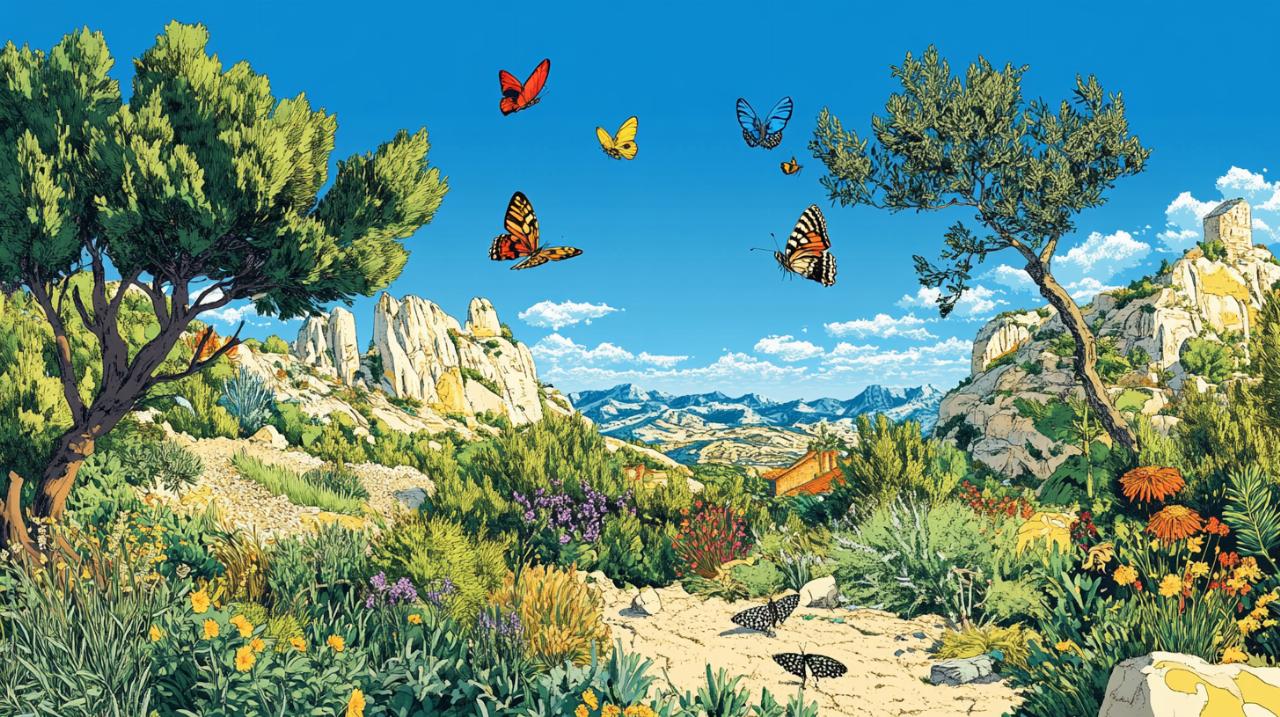
The animal life of the Mediterranean region mirrors the botanical diversity, with countless species occupying ecological niches from the depths of the sea to mountain peaks. This fauna has evolved alongside the distinctive vegetation, developing behaviours and physiological traits that allow survival in an environment marked by seasonal extremes. The interplay between predators and prey, pollinators and plants, herbivores and vegetation creates dynamic food webs that sustain the region's ecological integrity.
Marine life and coastal inhabitants
The Mediterranean Sea itself represents a world of biological wonder, hosting thousands of marine species ranging from microscopic plankton to majestic cetaceans. The warm, relatively calm waters support colourful fish communities, octopuses, sea urchins, and a variety of molluscs that have been harvested by coastal peoples since antiquity. Rocky reefs provide attachment sites for sponges, anemones, and algae, creating underwater gardens of remarkable beauty and productivity. Sea turtles navigate these waters, returning to sandy beaches to lay their eggs in an ancient reproductive ritual that predates human civilisation. Dolphins and whales traverse the deeper waters, whilst seabirds wheel overhead, plunging into the waves to snatch fish from schools that gather near the surface. The coastal zones where land meets sea support specialised fauna adapted to the tidal interface, including crabs, limpets, and various wading birds that patrol the shoreline in search of invertebrate prey. These transitional habitats face particular pressures from human activity, as approximately forty percent of the Mediterranean population resides along the coast, creating intense development pressure that fragments and degrades critical wildlife habitats. The region attracts roughly thirty percent of global tourists, further intensifying the impact on coastal ecosystems through construction, pollution, and disturbance during sensitive breeding seasons.
Terrestrial creatures and their natural habitats
Inland from the coast, the terrestrial fauna of the Mediterranean basin demonstrates remarkable diversity across varied habitats. Mammals ranging from diminutive shrews to wild boar navigate the scrublands and remaining forests, whilst reptiles such as lizards, snakes, and tortoises bask on sun-warmed rocks and hunt amongst the vegetation. Birds represent perhaps the most visible component of Mediterranean wildlife, with resident species joined seasonally by migrants that use the region as a stopover or wintering ground along transcontinental flyways. Raptors patrol the skies, songbirds flit through the shrubbery, and game birds scratch for seeds and insects in open areas. The insect fauna proves equally diverse, with butterflies, beetles, bees, and countless other invertebrates fulfilling essential roles as pollinators, decomposers, and prey for larger animals. Conservation efforts have recognised the importance of protecting this biological heritage, with over four thousand four hundred protected sites established across the basin, though these currently cover only approximately five percent of the land area. Initiatives including protected areas, red lists identifying threatened species, and seed banks preserving genetic diversity represent crucial strategies for safeguarding biodiversity. However, formidable challenges remain, as urbanisation, intensive agriculture, overgrazing, and water management issues continue to fragment and degrade habitats. Deforestation, invasive species, pollution, plant diseases, wildfires, and climate change compound these threats, creating a complex web of pressures that demand coordinated international responses. The future of Mediterranean wildlife depends on balancing human needs with ecological integrity, ensuring that coming generations can experience the extraordinary natural heritage that makes this region one of the world's irreplaceable biological treasures.