
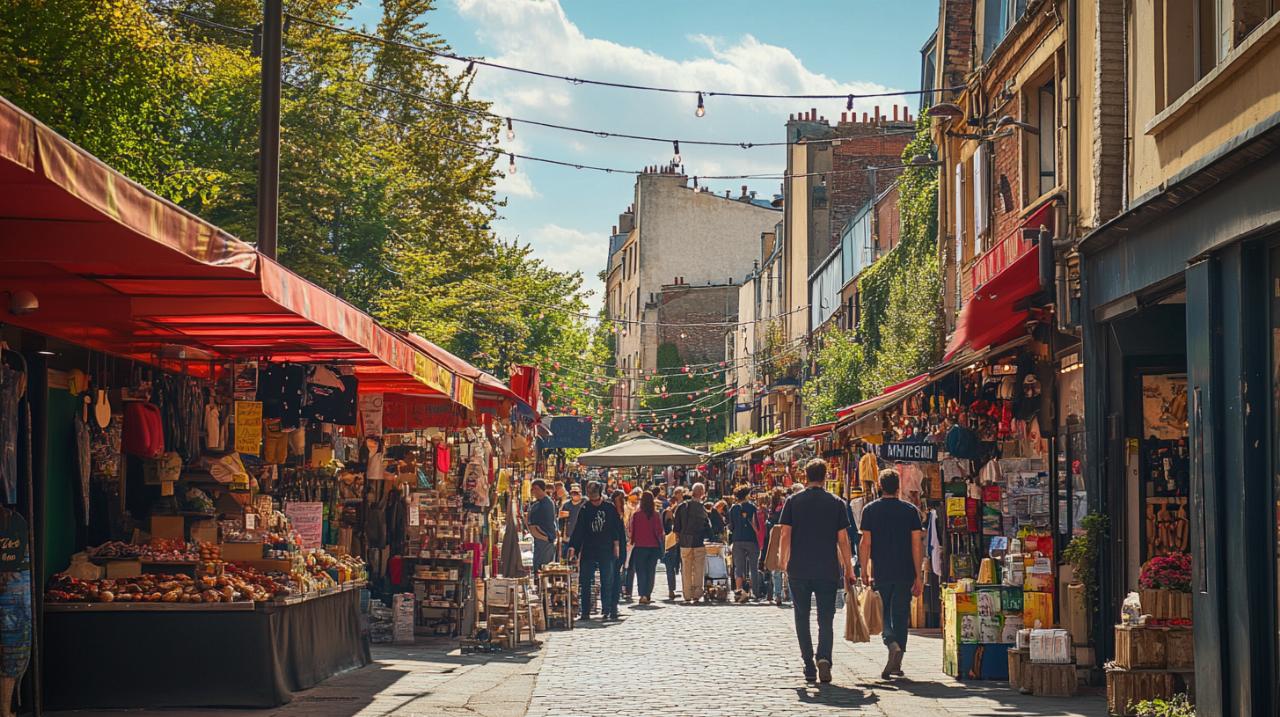
Nestled on the eastern edge of Paris, Montreuil stands as a testament to the dynamic forces reshaping urban landscapes across Europe. Once defined by the hum of factory machinery and the rhythm of industrial labour, this vibrant commune in the Seine-Saint-Denis département has undergone a remarkable metamorphosis. Today, its streets tell a story of reinvention, where former manufacturing sites have blossomed into creative hubs, artist studios, and innovative workspaces. The town's postcode itself has become a symbol of this evolution, marking not just a geographic location but a transformation that resonates throughout the Île-de-France region.
Montreuil's geographic positioning and regional significance within greater paris
Strategic location: bridging seine-saint-denis and val-de-marne
Montreuil occupies a strategic position that has long contributed to its economic and social vitality. Situated just a stone's throw from the capital, the commune shares borders with Val-de-Marne, effectively serving as a bridge between two key départements within the Île-de-France. This geographic advantage has historically made Montreuil an attractive site for industrial ventures seeking proximity to Paris without the prohibitive costs associated with central locations. The town's accessibility via road and public transport networks has further cemented its role as a connector within the Greater Paris conurbation, facilitating the movement of goods, workers, and ideas across the metropolitan area.
The physical layout of Montreuil reflects its heritage as a place where urban and suburban elements converge. Its boundaries encompass diverse neighbourhoods, each with its own character shaped by decades of industrial activity and subsequent regeneration. This geographic diversity has enabled the commune to adapt more readily to economic shifts, as different zones have evolved to serve varied purposes. The proximity to major Parisian employment centres has also influenced migration patterns, drawing a steady stream of residents who seek affordable housing while maintaining easy access to the capital's opportunities.
The Île-de-France Context: Why Proximity to Paris Matters for Industrial Evolution
Understanding Montreuil's transformation requires situating it within the broader Île-de-France context, where regional dynamics have profoundly influenced local trajectories. The post-industrial shift affecting many European cities has been particularly pronounced in the Paris suburbs, where traditional manufacturing gave way to service-based economies and creative industries. Montreuil's location within this regional ecosystem has allowed it to capture spillover effects from Paris, including an influx of artists, entrepreneurs, and young professionals priced out of the capital's increasingly expensive housing market.
The region's economic restructuring has been both a challenge and an opportunity for Montreuil. As factories closed and industrial jobs disappeared, the commune faced the prospect of decline. However, its strategic position enabled it to attract new forms of economic activity that capitalised on available space and relatively lower costs. The Île-de-France's status as a cultural and economic powerhouse has meant that trends originating in Paris often ripple outward, with Montreuil benefiting from its position at the forefront of this expansion. This regional significance has been instrumental in facilitating the town's transition from manufacturing centre to creative quarter.
Demographic Shifts and the Montreuillois Identity Through Industrial Change
Population evolution: insee data revealing growth patterns and community diversity
Data compiled by INSEE, the Institut National de la Statistique et des Études Économiques, offers valuable insights into the demographic evolution that has accompanied Montreuil's industrial transformation. Over recent decades, the population of Montreuil has experienced notable growth, reflecting its increasing attractiveness as a place to live and work. This expansion has been characterised not merely by numbers but by remarkable diversity, as individuals from varied backgrounds and professions have chosen to call the commune home. The Montreuillois, as residents are known locally, now represent a rich tapestry of cultures, ages, and occupations.
Statistical trends reveal patterns that mirror the town's economic shifts. As traditional industries declined, the demographic profile began to change, with younger cohorts and creative professionals forming an increasingly significant portion of the population. This influx has brought new energy to neighbourhoods once dominated by factory workers and their families. The diversity of the community has enriched local culture, fostering an environment where innovation and artistic expression thrive. These demographic shifts have also placed new demands on local services and infrastructure, prompting ongoing adaptation by municipal authorities.
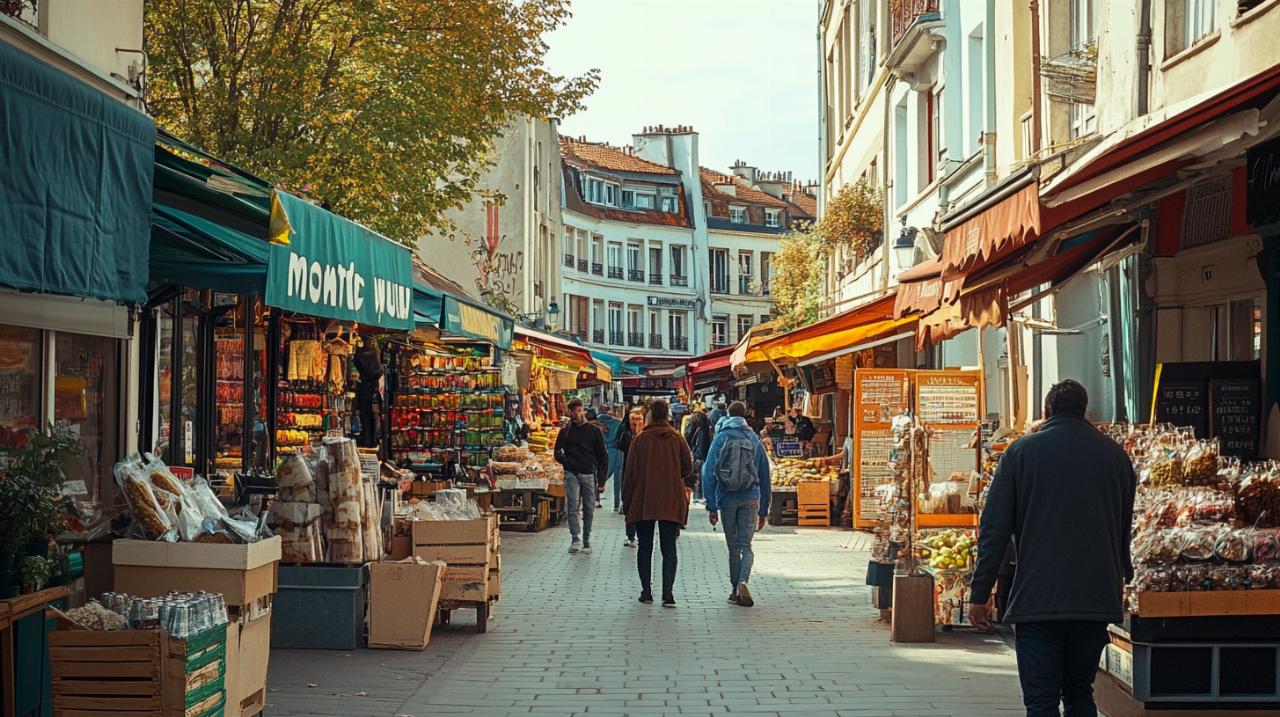
Housing Market Dynamics: From Primary Residences to Vacant Properties in a Transforming Economy
The housing market in Montreuil reflects the complex interplay between industrial legacy and contemporary regeneration. The property landscape encompasses a mix of primary residences, secondary homes, and a percentage of vacant properties, each category telling part of the story of economic transition. As factories closed, some industrial buildings stood empty for years, representing both a challenge and an opportunity for regeneration. Gradually, these spaces have been repurposed, converted into lofts, studios, and co-working spaces that cater to the new economy.
Primary residences have evolved to accommodate the changing demographics, with demand for affordable housing driving both renovation of older stock and construction of new developments. The presence of vacant properties, while historically a concern, has also provided opportunities for creative redevelopment projects that have become hallmarks of Montreuil's transformation. The varied housing market has made the commune accessible to a broader range of residents than central Paris, supporting the diversity that characterises the Montreuillois community today. This dynamic market continues to evolve, shaped by ongoing economic shifts and regional pressures.
Governance, Civic Engagement, and the Role of Local Leadership in Shaping Montreuil's Future
The mairie and conseil municipal: steering policy through economic transition
The local government, centred around the Mairie and the Conseil Municipal, has played a pivotal role in managing Montreuil's transition from industrial hub to creative quarter. Municipal authorities have faced the delicate task of balancing preservation of the town's heritage with the need for economic revitalisation. Policies promoting cultural initiatives, support for small businesses, and redevelopment of industrial sites have been central to this strategy. The town hall has served not only as a seat of administration but as a symbol of collective effort to reimagine Montreuil's future.
The Conseil Municipal has been instrumental in crafting policies that respond to the evolving needs of residents while encouraging investment and innovation. Through planning decisions and resource allocation, local governance has shaped the physical and economic landscape of the commune. Initiatives supporting affordable housing, cultural venues, and public spaces have helped ensure that transformation benefits a broad cross-section of the community rather than merely displacing existing residents. This approach reflects a commitment to inclusive development that respects Montreuil's diverse population and historical identity.
Historical Figures and Community Cooperation: Building a Shared Vision for Post-Industrial Identity
Throughout its history, Montreuil has been shaped by notable figures and a strong tradition of civic engagement. Historical connections, including links to Saint Denis, root the town in the broader narrative of the region's development. In more recent times, political figures such as Jean-Pierre Brard have been instrumental in shaping the local political landscape and advocating for the interests of the Montreuillois. These leaders have helped articulate a vision for the commune that honours its industrial past while embracing opportunities for renewal.
Public cooperation and civic engagement remain crucial elements of Montreuil's community life, fostering a sense of shared responsibility and collective identity. Residents have actively participated in shaping the direction of their neighbourhoods, whether through community associations, cultural initiatives, or engagement with local government. This tradition of cooperation has been vital in navigating the challenges of economic transition, ensuring that transformation reflects the values and aspirations of the community. As Montreuil continues to evolve, this spirit of collaboration will be essential in building a future that is both innovative and inclusive, honouring the legacy of the factory floors while celebrating the vibrancy of the creative quarters that have emerged.