
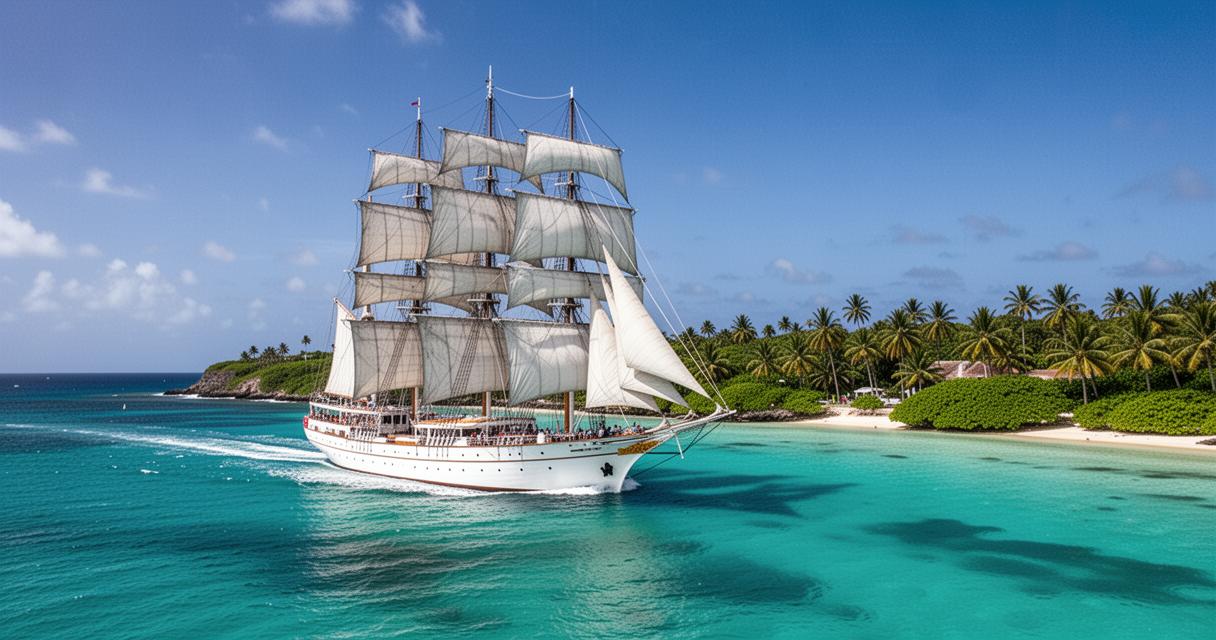
Few sights in the Caribbean stir the imagination quite like a tall ship gliding into port under full sail. When a vessel steeped in naval tradition makes berth in a sun-drenched harbour, it brings with it centuries of maritime ceremony, diplomatic ritual and seafaring pride. The arrival of the Argentine frigate ARA Libertad in Barbados is precisely this kind of event, a vivid reminder that the sea has always been a stage for both power and pageantry.
The essentials
- The Argentine frigate ARA Libertad serves as a prominent training vessel that promotes international goodwill through scheduled visits to various global ports.
- Maritime diplomacy is deeply embedded in naval tradition, where the arrival of a vessel acts as a symbolic gesture of respect and friendship between nations.
- Port protocols include essential formalities like displaying the host country’s courtesy flag, which serves as an important signal of peaceful and honorable intent.
- Naval ceremonies such as gun salutes and manning the yards are historically significant practices used to honor dignitaries and demonstrate discipline.
- Modern navies continue to operate tall ships because the challenging environment of sailing fosters essential qualities like resilience, teamwork, and seamanship in cadets.
- Beyond logistical purposes, the voyages of the ARA Libertad facilitate meaningful cultural exchanges that strengthen personal and diplomatic bonds between the crew and local communities.
The Arrival of the Argentine Frigate ARA Libertad in Barbados
Symbolism of Maritime Diplomacy in Caribbean Ports
Among the most storied training vessels still sailing the world’s oceans, the ARA Libertad represents Argentina’s enduring commitment to naval tradition and international goodwill. Her calls at Caribbean ports are far more than logistical stops; they are carefully choreographed exercises in maritime diplomacy. When the Argentine frigate ARA Libertad docks in Barbados, the event carries a weight that extends well beyond the practical business of resupplying or resting a crew. It is a living demonstration of how nations communicate respect and friendship through the shared language of the sea.
Barbados, with its own proud seafaring heritage, offers a particularly fitting stage for such an arrival. The island’s natural harbours have welcomed sailing vessels for generations, and its people retain a deep affinity for the traditions of the ocean. A visit from a vessel like the Libertad resonates here in a way that few other cultural exchanges can match, drawing crowds of curious onlookers and kindling conversations between sailors and locals that transcend language and nationality.
Traditional port welcomes and naval greetings
The welcome extended to a visiting naval vessel follows protocols that have been refined over many generations. As a ship approaches port, the exchange of signals begins long before her anchor is dropped. Courtesy flags (the ensign of the host nation flown from a prominent position aboard the visiting vessel) are among the most visible and immediate gestures of respect. For the Libertad, displaying the flag of Barbados as she enters Carlisle Bay is not a formality to be overlooked; it is a declaration of peaceful and honourable intent.
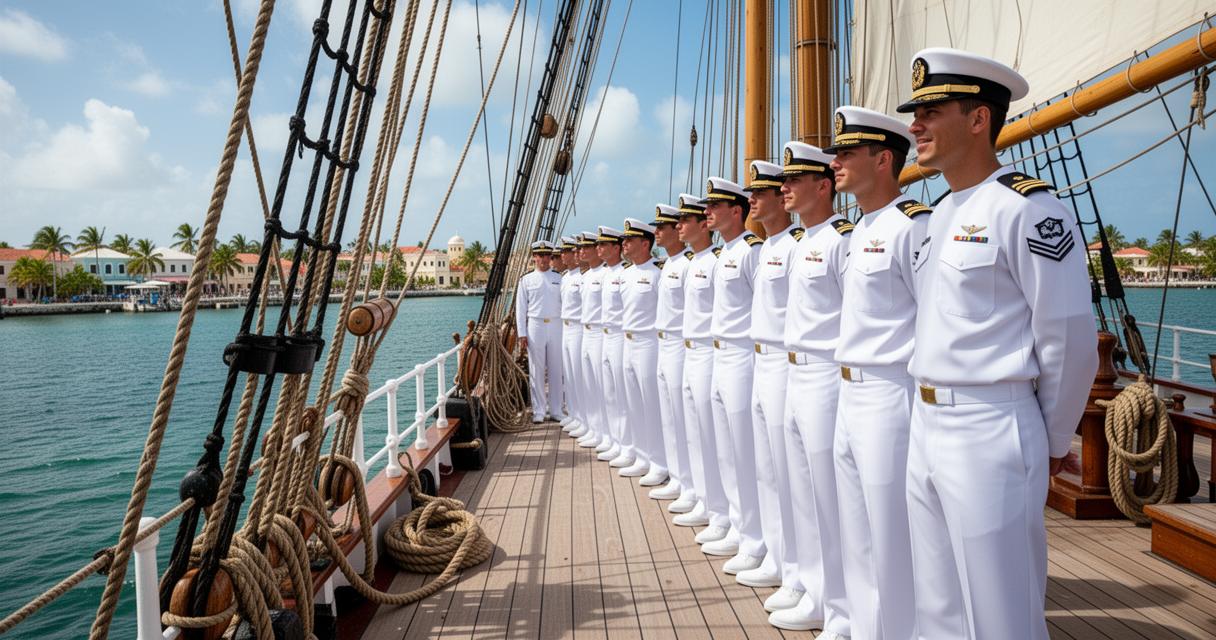
Local port authorities, naval representatives and sometimes government officials may come aboard or line the quayside to receive the ship. Bands play, crowds gather, and the crew, dressed in their finest uniforms, stand at attention along the deck or in the rigging. It is a spectacle that belongs equally to history and to the present day.
Essential Maritime Protocols and Formalities at Sea
Understanding gun salutes and international courtesy flags
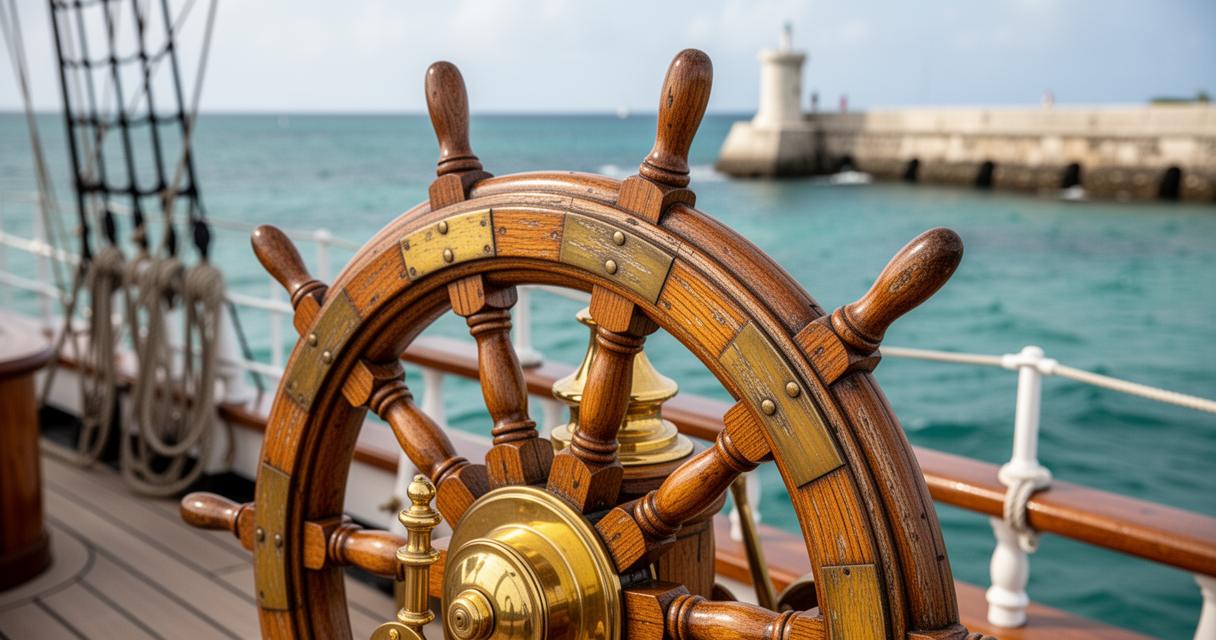
The gun salute is perhaps the most dramatic of all naval ceremonies, its origins rooted in the practical politics of early modern seafaring. A vessel that discharged its guns in harbour demonstrated, in the most emphatic terms possible, that it posed no immediate threat. Over time, this gesture of harmlessness evolved into an elaborate system of salutes exchanged between warships, between ships and shore batteries, and between naval vessels and heads of state. The number of guns fired carries precise meaning, acknowledging rank, nationality and the occasion at hand.
Courtesy flags form an equally important part of the ceremonial vocabulary. Every naval vessel operating in foreign waters is expected to fly the national flag of the host country in a prominent and respectful position. Failure to do so is considered a serious breach of etiquette, capable of causing genuine diplomatic discomfort. For a training ship like the Libertad, whose very purpose includes fostering international relationships, such details are observed with particular care.
Deck Honours and Manning the Yards During Visits
Among the most visually arresting naval ceremonies is manning the yards, in which sailors are stationed along the horizontal spars of a sailing vessel’s masts, standing at precise intervals with their arms at their sides. When performed correctly, the effect is extraordinary, a human garland draped across the towering rigging, transforming the ship into a living work of ceremonial art. This tradition, long associated with tall ships and square-riggers, is carried out by the Libertad’s cadets on occasions of particular significance.
Deck honours, meanwhile, involve the ship’s company assembling on deck in full dress uniform to salute a passing dignitary or a vessel of higher rank. Officers stand at the salute, the ship’s bell may be rung, and the entire crew presents an image of disciplined respect. These ceremonies are not empty theatre; they serve to reinforce the bonds between crews, nations and naval traditions that stretch back across centuries.
Preserving nautical heritage through ceremonial traditions
The Role of Training Ships in Modern Naval History
In an era dominated by guided missiles and satellite navigation, the continued operation of tall ship training vessels might seem anachronistic. Yet navies around the world maintain these ships with great conviction, recognising that the skills and values forged under sail (seamanship, discipline, teamwork, resilience) are as relevant today as they have ever been. The Libertad exemplifies this philosophy. Each voyage she undertakes is a classroom without walls, in which young naval cadets learn their craft in conditions that no simulator can fully replicate.
Beyond the purely practical dimension, training ships carry a symbolic cargo of immense value. They embody the continuity of a nation’s maritime identity, connecting the present generation of sailors to those who came before them. When cadets climb the rigging of the Libertad, they are participating in a tradition that links them to centuries of Argentine naval history and to the broader story of human endeavour at sea.
Fostering international goodwill through cultural exchange
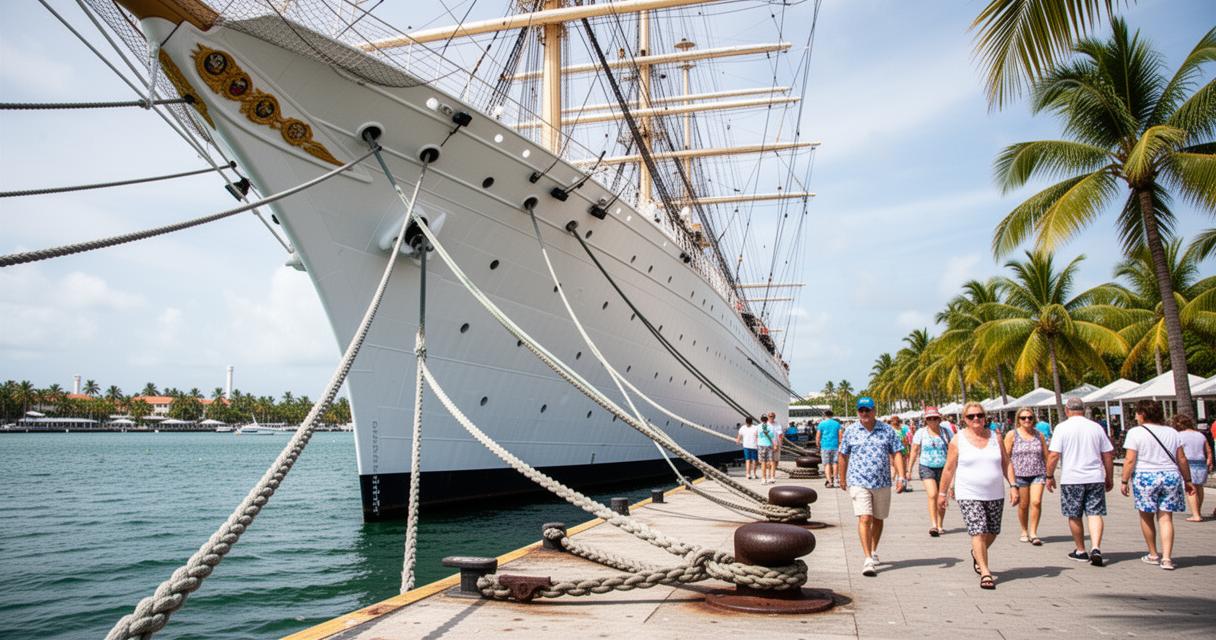
The diplomatic dimension of a tall ship’s voyage should never be underestimated. Ports that receive the Libertad gain a window onto Argentine culture, history and hospitality, while the cadets aboard gain an equally rich understanding of the societies they visit. In Barbados, as in every port of call, the exchange is mutual and genuine. Crew members attend receptions, participate in cultural events and form friendships that endure long after the ship has weighed anchor and disappeared over the horizon.
This kind of cultural and maritime diplomacy operates at a level that formal state visits rarely achieve. It is personal, immediate and rooted in shared experience. The sight of a magnificent sailing frigate in harbour, her flags flying and her crew smartly turned out, speaks to something deep in the human imagination, a sense of wonder, of history made visible, and of the enduring power of the sea to bring people together across vast distances of ocean and culture.